


Louisville Gas and Electric (LG&E) and Kentucky Utilities (KU) filed three cases with the Kentucky Public Service Commission over the past year: an Integrated Resource Plan (IRP), a Certificate of Public Convenience and Necessity (CPCN), and a rate case. The Metropolitan Housing Coalition joined other intervenors to represent low- and fixed-income households, advocating for fair and equitable utility rates for Louisville residents. What were the outcomes of
these cases?
The Integrated Resource Plan: Case #2024-00326 – Filed 10/18/24
An Integrated Resource Plan (IRP) is a 15 year plan that explains how the companies will meet future energy demand in a cost effective way. LG&E and KU expect electricity use to grow by 30 to 45 percent by 2032, mostly because of possible new data centers in Kentucky. To keep up, they may need to build more power plants, which could lead to higher rates for customers. IRP’s do not have final rulings from the PSC commissioners – however, we knew this projected increase in load meant LG&E/KU wanted to build more plants and raise rates.
The Certificate of Public Convenience and Necessity: Case #2025-00045 – Filed 2/28/25
A Certificate for Public Convenience and Necessity (CPCN) is like a building permit for utilities. It is the state’s way of making sure a project is necessary, makes sense, and that the costs and benefits are useful to customers. To meet the load growth mentioned in the IRP, LG&E and KU proposed to build new natural gas power plants, costing $3.725 billion. The companies asked to recover these costs by raising residential rates through a monthly charge.The PSC approved
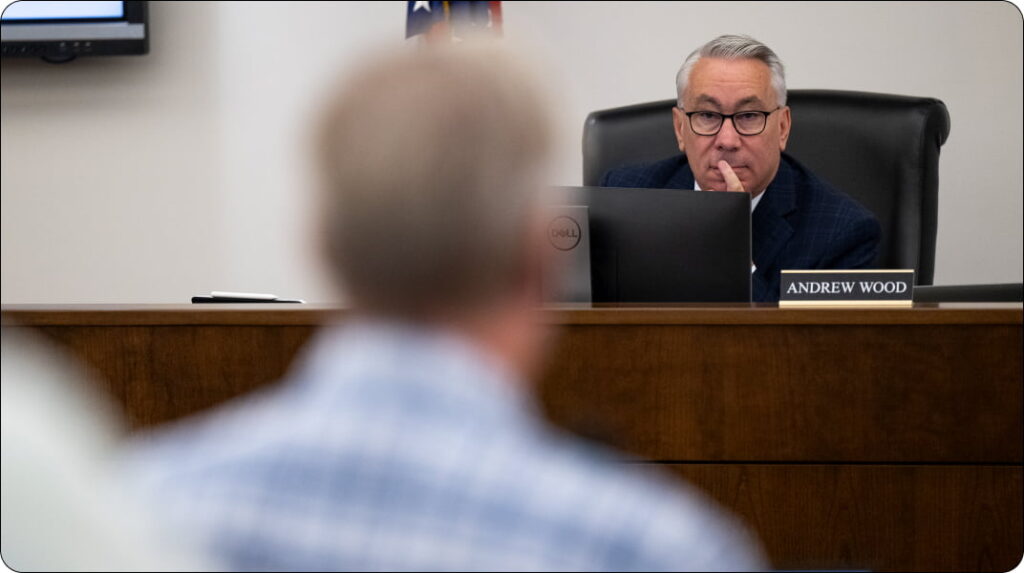
the two new gas plants, but denied LG&E/KU from recovering costs by raising ratepayer rates. The PSC stated that LG&E/KU can, however, implement an immediate monthly rate hike through something called a “Pilot Generation Recovery Rider” to keep an old coal plant open in the meanwhile.
The Rate Case: Case #2025-00114 – Filed 5/30/25
The IRP showed demand will grow. The CPCN says new plants are needed to meet it. The rate case is how they pay for those updates to the grid. LG&E asked for the approval of a 11.5% increase in ratepayer’s bills to “make enhancements” to the grid. For LG&E ratepayers, this will be a monthly increase of $11.04 for electric and $11.12 for gas. KU filed separately. The PSC approved a 4.6% rate increase, about $5 per month. This is lower than the original request but still raises bills. Since 2012, rates have increased by 45.2%. The companies stated they no longer agree with the stipulated rate they originally agreed to, and asked for rehearing, which was granted by the PSC.
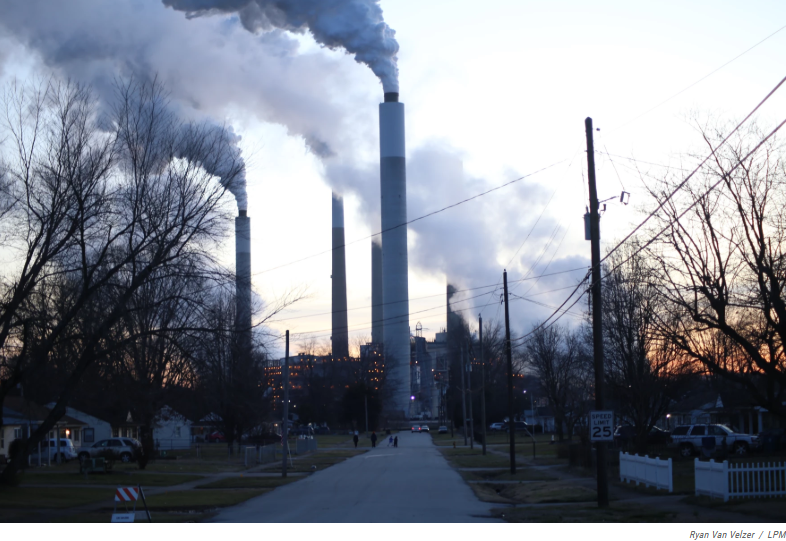
What does all of this mean? LG&E and KU expect energy usage to increase up to 40% because of data centers, which have not been built yet. LG&E/KU will build new gas plants to meet the demand, and will also implement ongoing increases each month through a new surcharge in part to keep an aging coal unit online to serve the new demand in the short term. At the same time, they are raising rates to pay for grid upgrades. This is an issue because the expected
demand has not materialized, but new plants and higher rates are being planned in advance. Additionally, these filings raised concerns because they were submitted before decisions were issued in related, earlier cases, despite the fact that those rulings typically inform subsequent proceedings.
What can you do? We want our community’s voices to be heard. Unfortunately, if the public doesn’t speak up, the PSC only hears the utility and business perspectives. Stay Connected. Stay Informed – check out our website for additional updates on these cases.