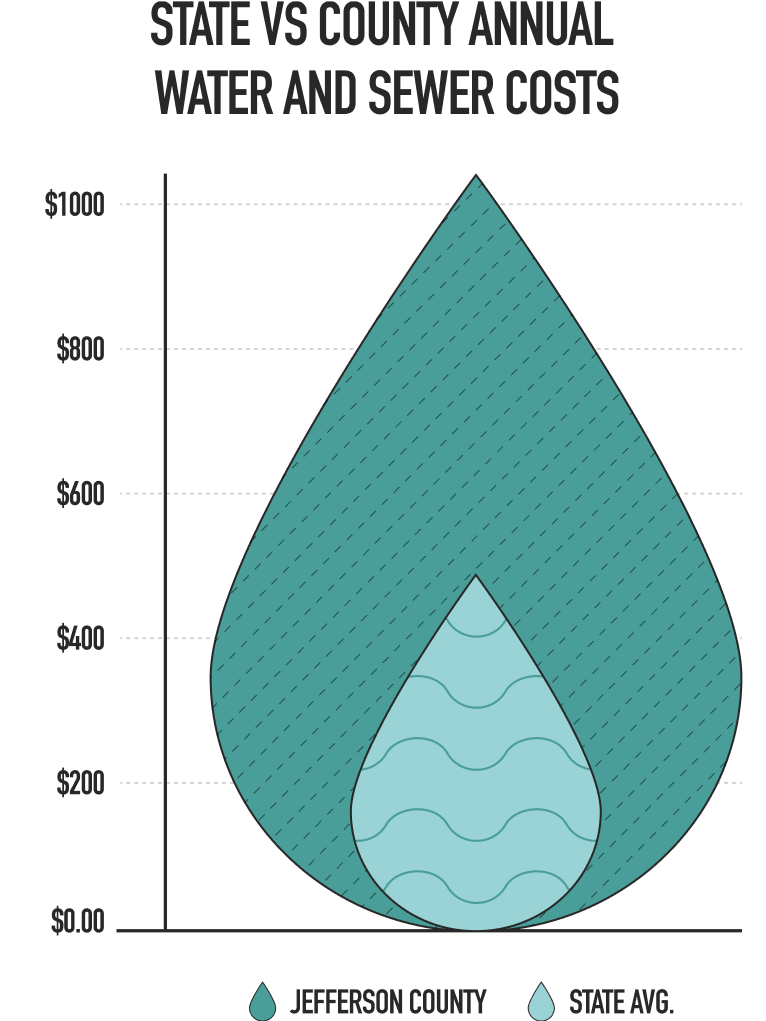



high utility bills put affordable housing out of reach.

The Basics

Affordable utilities include water.

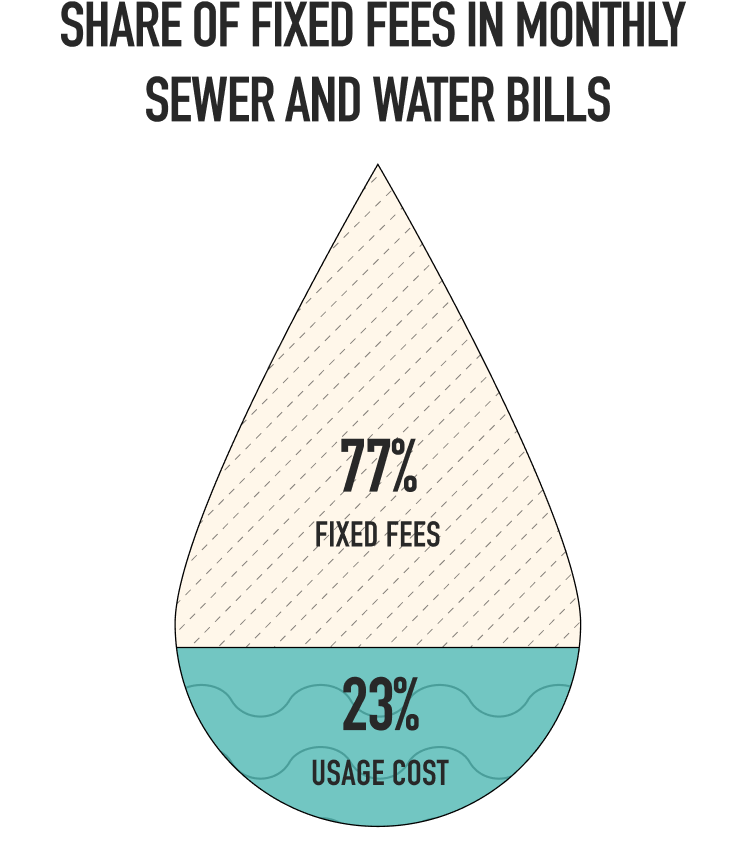
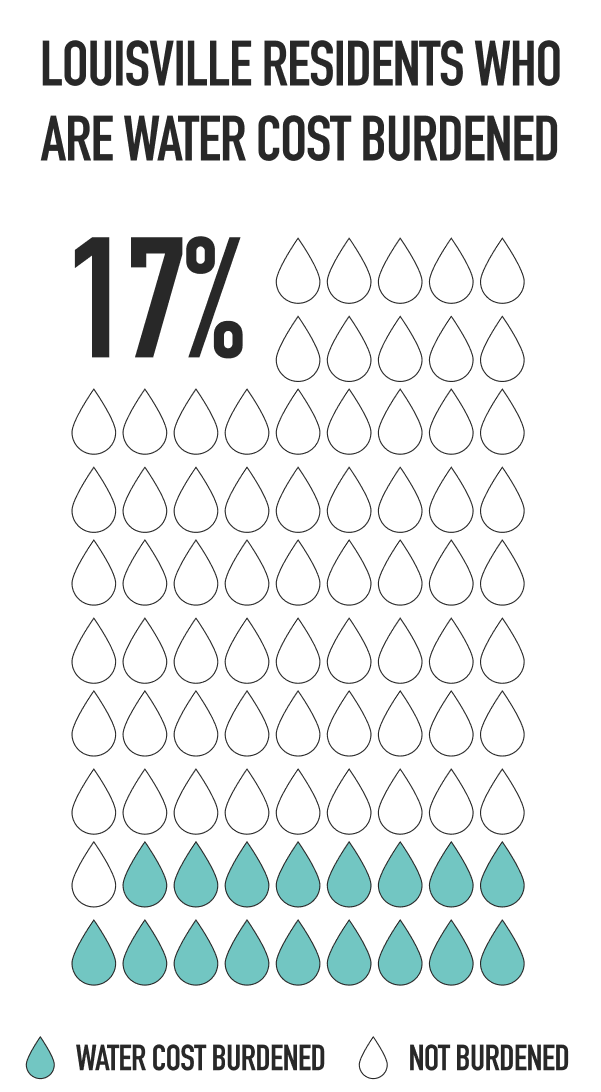
Water and wastewater is a combined bill. The rule of thumb is that your water and wastewater bill should be no more than 4.5% of your monthly income. If you pay more, you are “water cost burdened”. Approximately 10% of households in the US face water affordability concerns. Wastewater will usually cost more than the water bill. By the numbers, it is easier and cheaper to treat drinking water than to treat the community’s wastewater.

Low Income Households

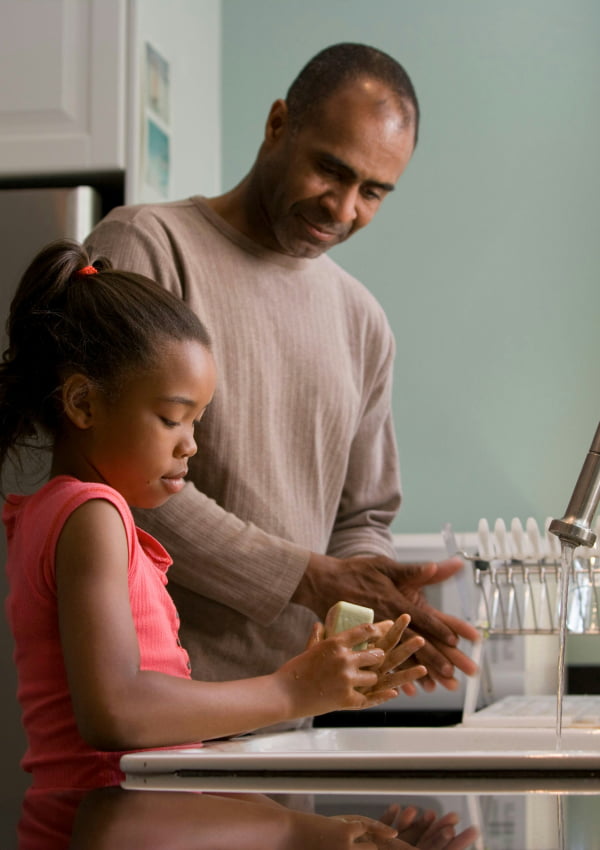
Water affordability is a greater challenge for Low Income Households

Water burdens are not felt equally. Low income households tend to spend more than 6.8% of their annual income on essential water and sewer services. These are also high in redlined areas, as low income households are located in older homes which have leaks/older pipes. In the US, recent trends suggest that the cost of water and wastewater is rising three times faster than other goods and services at a time when economic inequality is increasing.

What are the solutions?

) Housing & Utility Affordability Report
Improving Housing Energy and Water Use
Streamlining Assistance
Reforming Utility Policies and Programs
Creating a Low-Income Affordability Collaborate

Join us in advocating for affordable housing and utilities

Generous supporters like you are making this work possible. Here are some important ways you can get involved today.

FOLLOW THE JOURNEY TOWARD AFFORDABLE ADVOCACY

"*" indicates required fields

This field is for validation purposes and should be left unchanged.